
Day 220
Isaiah 29–30 | Matthew 27:11–31
⸻
We’ve told Sophia a hundred times: Don’t take so much cash with you.
You don’t need it.
You probably won’t spend it.
And if you lose it—it’s gone.
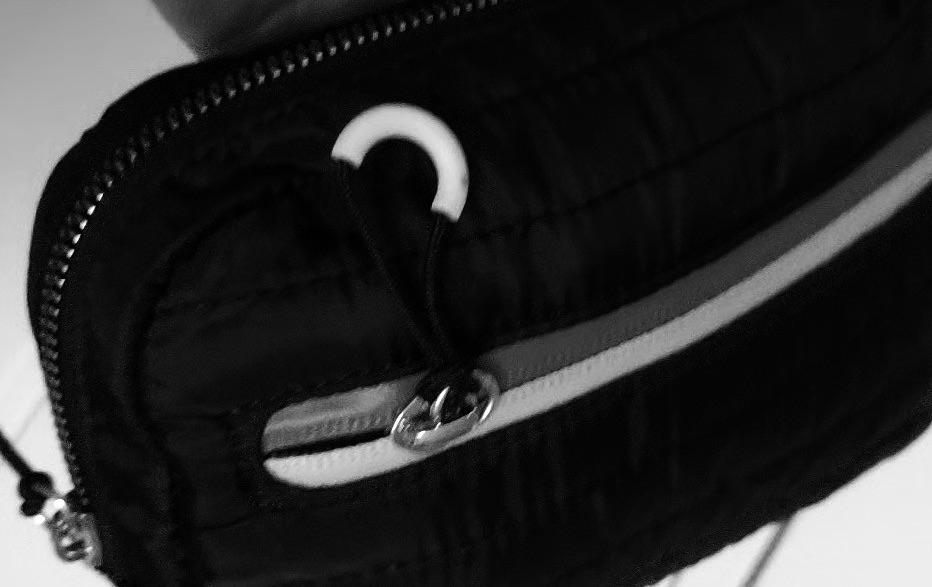
But last week, she zipped up her little black fanny pack with all of it: sunglasses, lip gloss, and a wad of her hard-earned dollars—then she boarded the charter bus for a junior high trip to Avila Beach.
She came home sunburned and sandy and sleepy, kicked off her flip-flops, and dropped into bed without much more than a shower, a smile and a mumble.
The next morning, she opened her closet to grab her bag.
And froze.
“Where’s my fanny pack?”
Gone.
The lip gloss. The $28 still left. Everything. It never made it home with her.
And I went full dad mode.
I didn’t wait for a second look.
“I told you not to take that much money.”
“You need to be more responsible.”
“This is exactly why I say these things.”
I had a whole speech locked and loaded.
A sermon she didn’t need, built on an assumption I hadn’t even confirmed.
Because I’d already decided she lost it.
And I wanted her to feel it.
But an hour later, her junior high pastor texted.
He’d found the fanny pack in her seat and grabbed it before the bus pulled away.
It was never lost.
It was never in danger.
It had been secured before she even realized it was missing.
And there I was—rebuking, lecturing, assuming, even scolding—over a mistake that never happened.
When We Speak Too Soon
Isaiah 30 holds a line I can’t stop thinking about:
“In repentance and rest is your salvation,
in quietness and trust is your strength,
but you would have none of it.” (v15)
God’s people had sprinted to Egypt for help.
They didn’t pause.
Didn’t ask.
Didn’t wait.
They assumed God was too slow—or too silent—to act.
That’s me.
I parent like Egypt: rushing in with speeches and strategies, trying to secure outcomes, needing to do something even when nothing is required.
I assume a crisis before confirming a problem.
I mistake volume for virtue.
I treat control like care.
But God doesn’t build strength through spin.
He builds it through surrender.
When Silence Means Salvation
In Matthew 27, Jesus stands before Pilate—betrayed, bound, falsely accused.
And He barely says a word.
“But he gave him no answer, not even to a single charge…” (v14)
He doesn’t defend Himself.
Doesn’t clarify.
Doesn’t explain the injustice or correct the record.
Because His silence was purpose, not passivity.
He wasn’t just withholding words—He was absorbing guilt.
Ours.
Every insult that landed.
Every lie that stuck.
Every charge that should’ve been ours to bear—He stood silent beneath them all.
Not because they were true. But because He had chosen to carry the weight of what we had actually lost:
Righteousness.
Peace.
Access to the Father.
And He said nothing so we could be spoken for.
When the Fanny Pack Was Never Lost
I’m learning—slowly—that not every moment needs a message. Even though my tendency is to give one.
That sometimes the most faithful thing isn’t to fix or teach or correct.
It’s to wait.
To listen.
To ask before assuming.
Because sometimes what feels lost isn’t.
Sometimes what needs saying doesn’t.
And sometimes the best sermon is the one I don’t preach.
⸻
Lord, I rush in too fast and speak too soon—convinced that control means care, and talking proves love. But You are not hurried. You do not panic. And You’re not asking me to act out of fear, but from rest. Forgive me for the speeches I give to make myself feel safe. For the assumptions I make before seeking the truth. And for every moment I try to fix what You’ve already secured. Give me quietness instead of control. Trust instead of tension. And the humility to believe that sometimes… what feels lost never was. Amen.
Leave a Reply